Generative AI posters save money, but they hurt conversions

You could have advertising material in seconds, but at what cost?
Using generative AI posters could make more than half of your potential customers disengage. Here’s why, and what you can do instead
If you’re self employed, I bet you’ll know what I’m talking about: working for yourself means becoming about five different people.
When I worked on magazines full-time, I was a writer day-to-day and not heaps more. I did my share of proofreading, kept on top of my emails, found a few pictures, sent out a bit of post and that was more or less it.
Today, I’ve already added iPhone videographer and social content creator to that list. I’m a graphic designer who makes carousels for clients and I’ve had photo credits as well as a byline on several features.
It doesn’t end there, either. I’m my own accounts department, SEO consultant, website designer, blogger and head of advertising. It’s a lot!
Business owners have to wear so many hats, and it’s exhausting
There are obvious benefits of freelancing or running a business, but working for yourself is also a huge sacrifice. Unless your margins are big enough to outsource much of your design and admin burden, you’re a one-man band trying to keep the lights on, the plates spinning, and maintain some form of a social life.
The emotional, financial and assignment burden on the self-employed is oppressive and easing some of those responsibilities with generative AI is an obvious way to claw back time and budget.
But there’s a problem – and there’s no way you haven’t noticed it.
Generative AI posters and adverts have flooded everyone’s feeds and it’s impossible to stand out using them.
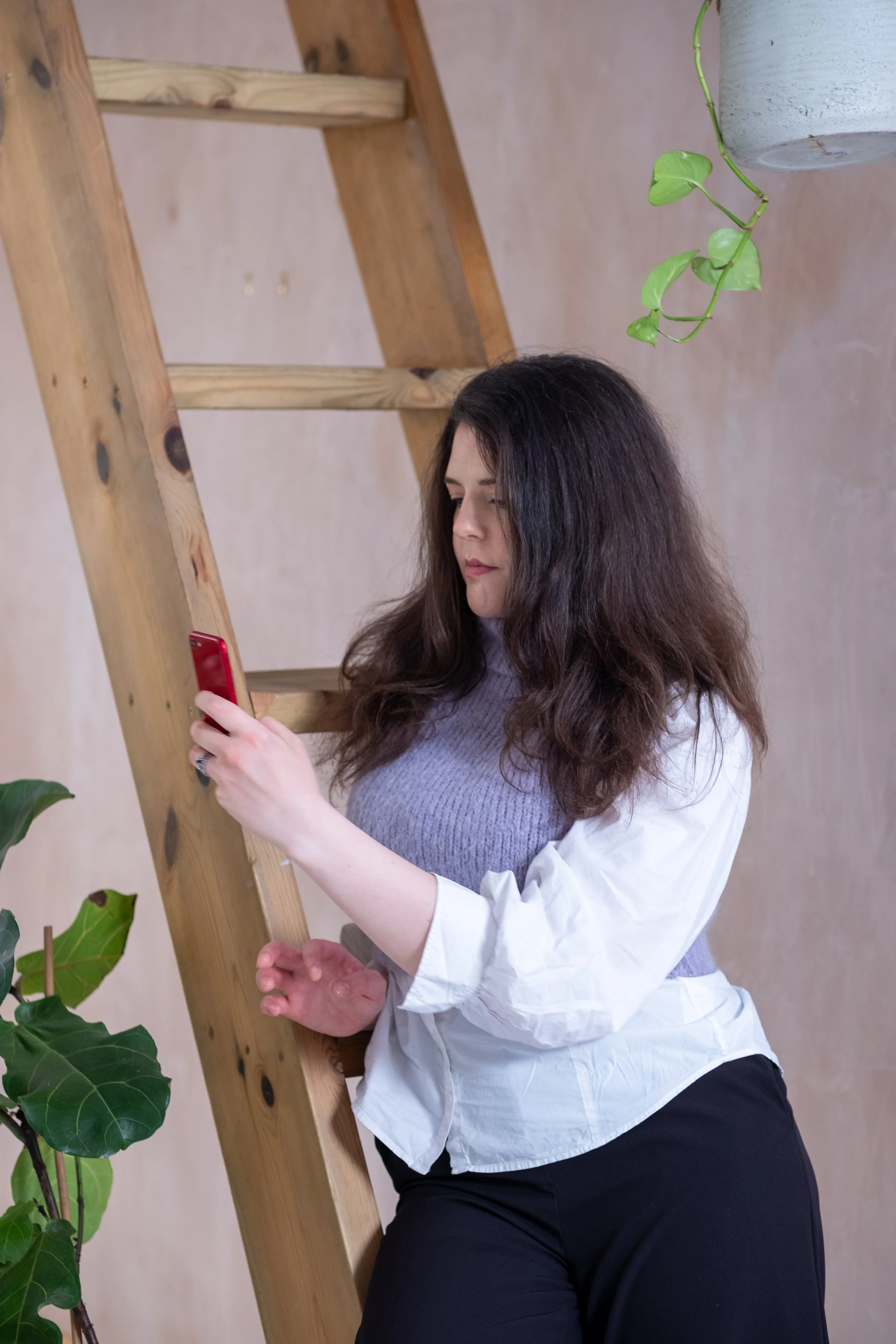
I don’t buy from new brands that use generative AI, and my brand loyalty is disrupted when I spot companies I like using it.
Generative AI posters are instantly recognisable for their uniform smoothness, from the font to the generated images, the structure that’s recycled in every single one (I personally loathe the little panels of nonsense that appear at the bottom nearly every time), icons everywhere and copy that’s so generic and in your face it’s barely readable it could be promoting anything.
Attracting conversions and sign-ups means showing your consumer what makes you different and perfect for them. People want to read interesting copy that compels them to read on and tells them what is special about you. Flyers that look and sound the same as every other flyer on someone’s feed won’t capture someone’s attention – at least not in the way you want it to.
A study by Bynder states that 52% of those who recognise AI copy are likely to disengage with the content – and this will be costing companies conversions.
The same study confirmed that 25-34 year-olds were the most accurate AI copy spotters, which tells me that companies with this target market should be the most focused on human-lead design.
Can such disengagement be neutral? Not according to the Bynder study. In terms of website copy, 26% of participants would feel the brand is impersonal if the copy does not feel human-written, and 20% would feel that the brand is lazy.
Similarly, for social media copy which appears to be AI-generated, 25% of consumers would feel the brand is impersonal, 20% untrustworthy, 20% would feel they are lazy and 19% would think they are uncreative.
For me and many others, generative AI scepticism goes further than aesthetic preference. Generative AI is a complete non-essential, it puts increased pressure on water (which we will only need more of as the climate crisis worsens) and there are real concerns that its use has negative effect on our brains and allows powerful companies access to our data.
I should say here that I am specifically referring to generative AI — the thing used to write LinkedIn posts and make cartoonish avatars of people. I don’t feel the same way about AI that assists people with disabilities or helps facilitate medical breakthroughs.
In an AI generated poster-flooded digital landscape, trust is more valuable than ever.
A YouGov poll found that 73% of respondents worry about the trustworthiness of AI-generated online content, with women showing an even higher degree of concern than men – 78% vs. 69%.
Several studies have found a negative bias towards AI-generated content and have found that consumers prefer human creation, especially when consuming media on government and medical websites.
How to promote your business without AI generated posters
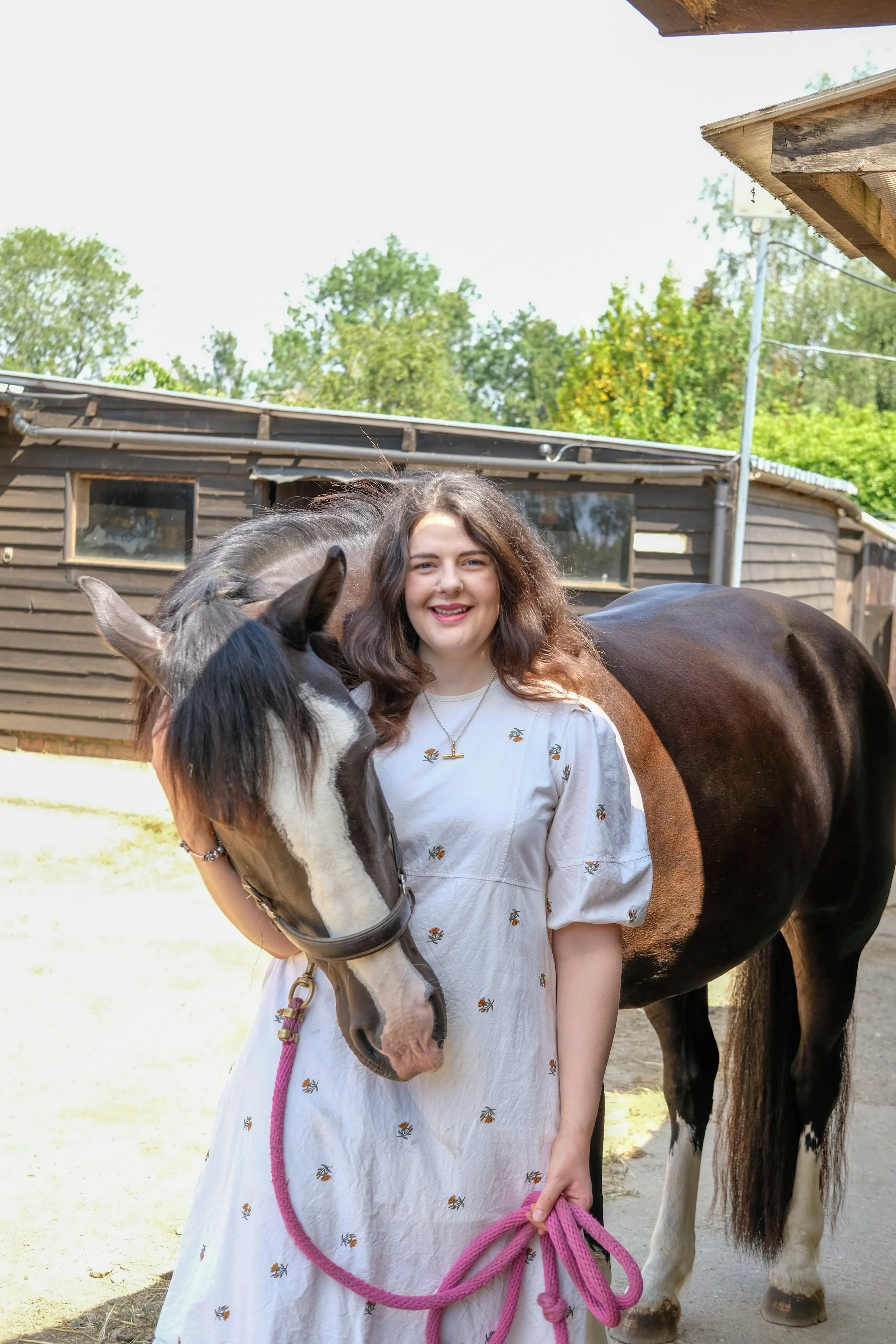
An equestrian copywriter who’s generative AI free? You’re looking at her.
If you need visual media for your website, you don’t have to rely on generative AI. I needed brand images for this site and organised a DIY brand shoot on a budget by calling in a favour, investing my funds in areas I had no expertise and roping in my amateur photographer husband.
You can absolutely take adequate photos on a smartphone in a third space or park, and the results will reflect you and your business far better than generative AI.If you don’t know how to use or can’t invest in Photoshop, literally use Canva – I do all the time. There are templates you can customise and it’s user-friendly enough to get the hang of rapido.
Practice copywriting for yourself – Instagram captions, blog posts, website pages, the lot – to hone the skill of writing to compel the reader to go on reading. That’s the key to great copy.
A very well known late copywriter called Joseph Sugarman said the best copy has a ‘slippery slide effect’. That is to say each line of copy must be so powerful and easy to read that the reader is compelled to read on with unstoppable momentum, as if they were whizzing down a slide in a playground. A good copywriter can use this momentum to create the conditions for conversion.
Perhaps this feels impossible to you – it did to many hugely successful copywriters at first. All they did to get good was the one thing anyone is capable of – practice. Do a little every day, have someone read your work and give you feedback. Over time the slippery slide effect will be at your command.A piece of advice I keep vowing to take is: embrace low fidelity content.
As a creator, brand or freelancer, nothing is more valuable what you bring to the table that no one else does. I’m served so many polished and visually gorgeous posts by others that it completely kills my momentum. If I could just push past that mental barrier and publish the things I’d made, I’d not only have more of a library for potential leads to consume but I’d also feel more relaxed about being myself on my account.
Posts and videos do not need to be perfect, they just need to be clear about who you are and what you can offer. The chances are if you have a product or service that inspires you, you will inspire others with your raw, unfiltered enthusiasm.If you can spend, look for a specialist creator that meets your niche, style and budget and make an enquiry.
Take me – I’m a real horse owner and experienced writer in the equestrian sector. I understand the equine market and I know what the everyday consumer wants, because I want the same thing. I can match an equestrian brand’s product to their consumer because of the way I can pitch – with copy, visuals and genuine know-how.
Many copy and social media specialists like me have a menu of different services and packages to suit different requirements and budgets – I definitely do – so it’s always worth reaching out to see what you can do together.
I promise I’m not just being a nark, and I wholly sympathise with any freelancer or business owner struggling with time management and resource in this working landscape. But generative AI posters might not do you many favours in the long-run, even if they feel like a quick fix now. Personally, I don’t think it’s a risk worth taking.
