I don’t ride my horse anymore, but our bond is stronger than ever and it’s totally changed my horsemanship
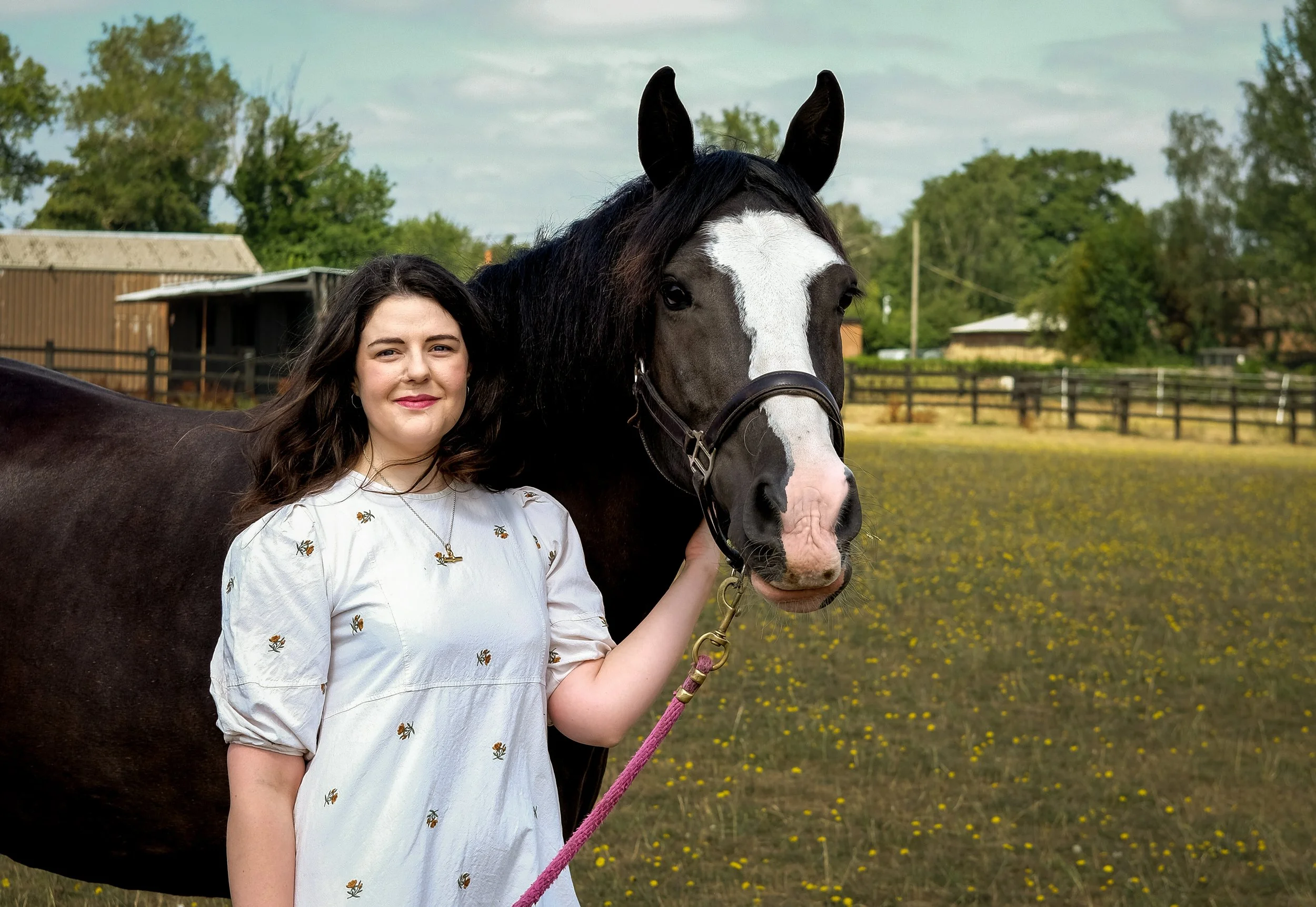
Realised after editing this pic that we are both rocking a middle part. Photo: Wes Stone
After retiring him, I was desperate to improve the bond with my horse. Flipping my perspective made me a better owner and friend than ever
After Pip was diagnosed with arthritis, navicular and remodelling in his sacroiliac joint aged six, I thought slow and steady rehab would be how to improve the bond with my horse. After months of weirder and weirder behaviour, veterinary investigation, trips to equine hospital and joint injections, I thought a daily programme of time together would surely be the remedy.
Sadly, my carefully constructed, vet-endorsed rehab programme only drove us further apart. Pip became difficult to handle and downright dangerous to ride. He started nipping and was frustrated with everyone. He regularly refused to leave the yard to go hacking – even with company. Worst of all? We just weren’t friends anymore.
I had thrown myself into the rehab – soundness-wise, it was starting to break through – but my horse, who until now had been such a reliable, affable youngster, was doing everything in his power to tell me: no.
The day I decided to stop riding Pip for good, he looked the best he had for more than a year. But, for both of us, the psychological damage was done, and I stuck to my decision. He’s now eleven, and I haven’t ridden him since 2021.
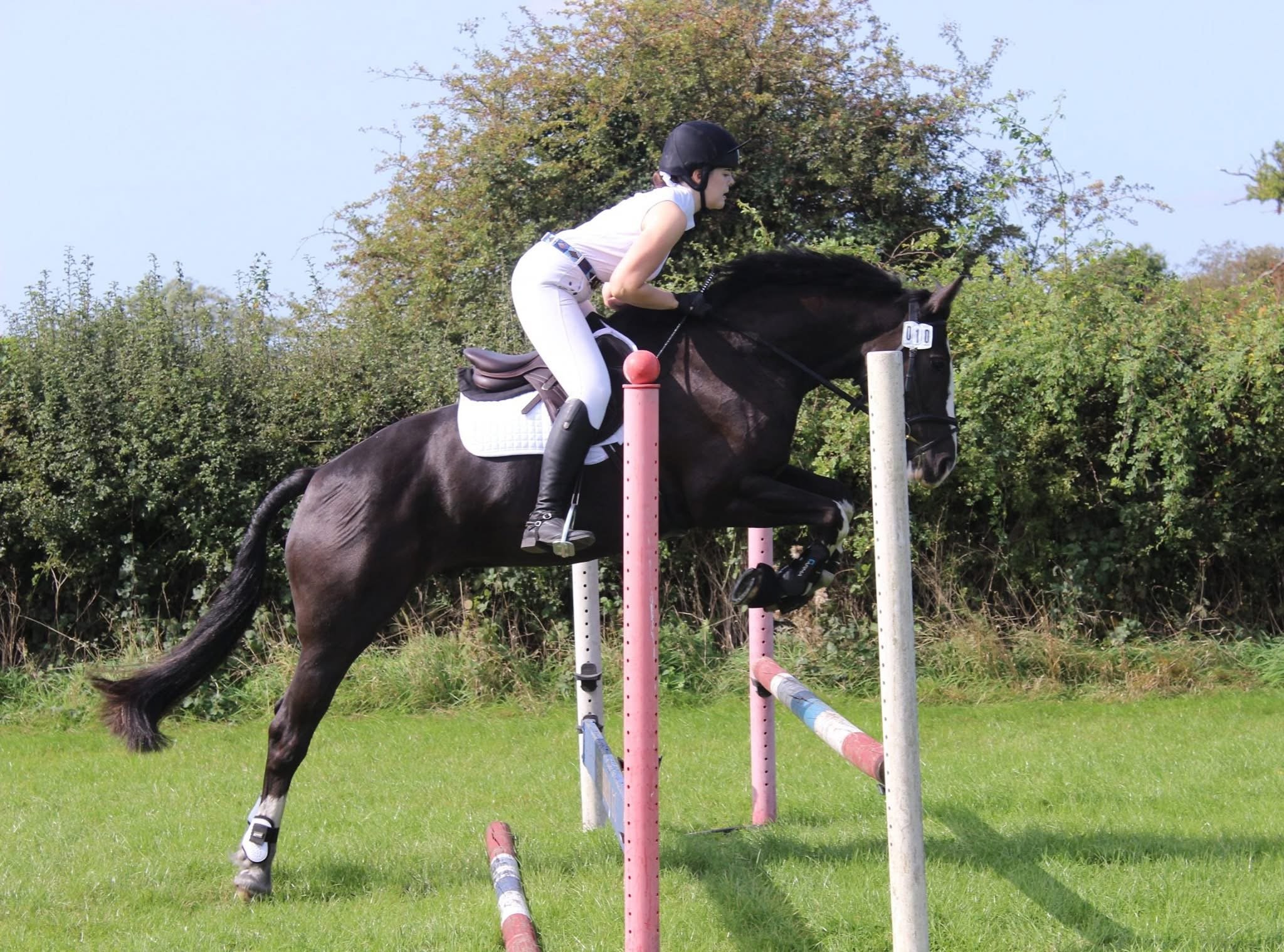
One of my favourite memories from Pip’s short career was our umpteen fault round in a 60cm combined training class. Photo: Wes Stone
Working out how to improve the bond with my horse
My approach to rehabbing Pip was the undoing of our relationship because I only considered what I stood to gain from a successful programme.
I failed to understand that for Pip, everything was difficult, even if it wasn’t physically painful. For him, fighting me and almost falling over backwards was preferable to calmly walking out of the yard gate – whether I was mounted or not. Heartbroken, I realised I was going to have to rebuild his trust from less than zero.
From 2021 to 2024, Pip lived out 24/7 at my parents’ and his dam, Layla. Nobody asked a thing of him (except routine care) for more than three years, which started to repair his trust in me. The nipping stopped and he started to come over when I visited. In summer 2024, both horses moved to Hertfordshire with me on retirement livery.
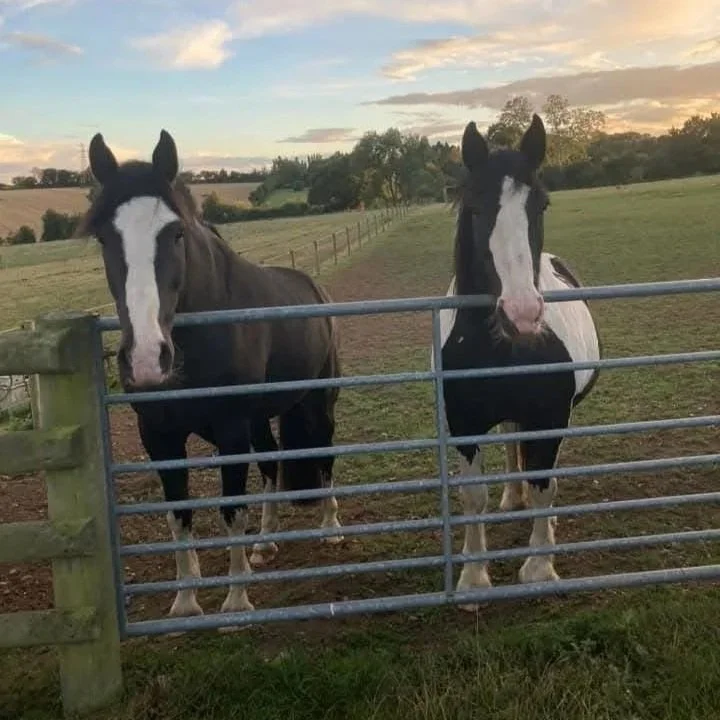
Pip with his mum Layla, who had to say a final farewell to in early 2026, on retirement livery.
Suddenly, I had to learn how to be friends with my horses without training them. Ok, I thought, I can groom them, bath them and lead them around. Two problems with this were;
That’s a frightfully limited list of activities, and;
Were grooming, bathing and leading really what my horses wanted to do?
For the first time, I thought about how to improve the bond with my horse from his perspective. I started truly considering what motivates horses to seek out humans and want to spend time with us. Food and treats are obvious factors, but what else could I do to persuade them I was worth hanging out with?
It seems so obvious now, but this question was the lightbulb moment that changed the course of my horsemanship and restored my relationship with Pip. Thanks to my job, I speak to horsemanship trainers all the time and it’s taught me loads about how horses think and feel.
Seeing the world (and myself) through Pip’s eyes helped me work out what would motivate him to like spending time with me. We’re still working on it, but being with me is becoming the motivation.
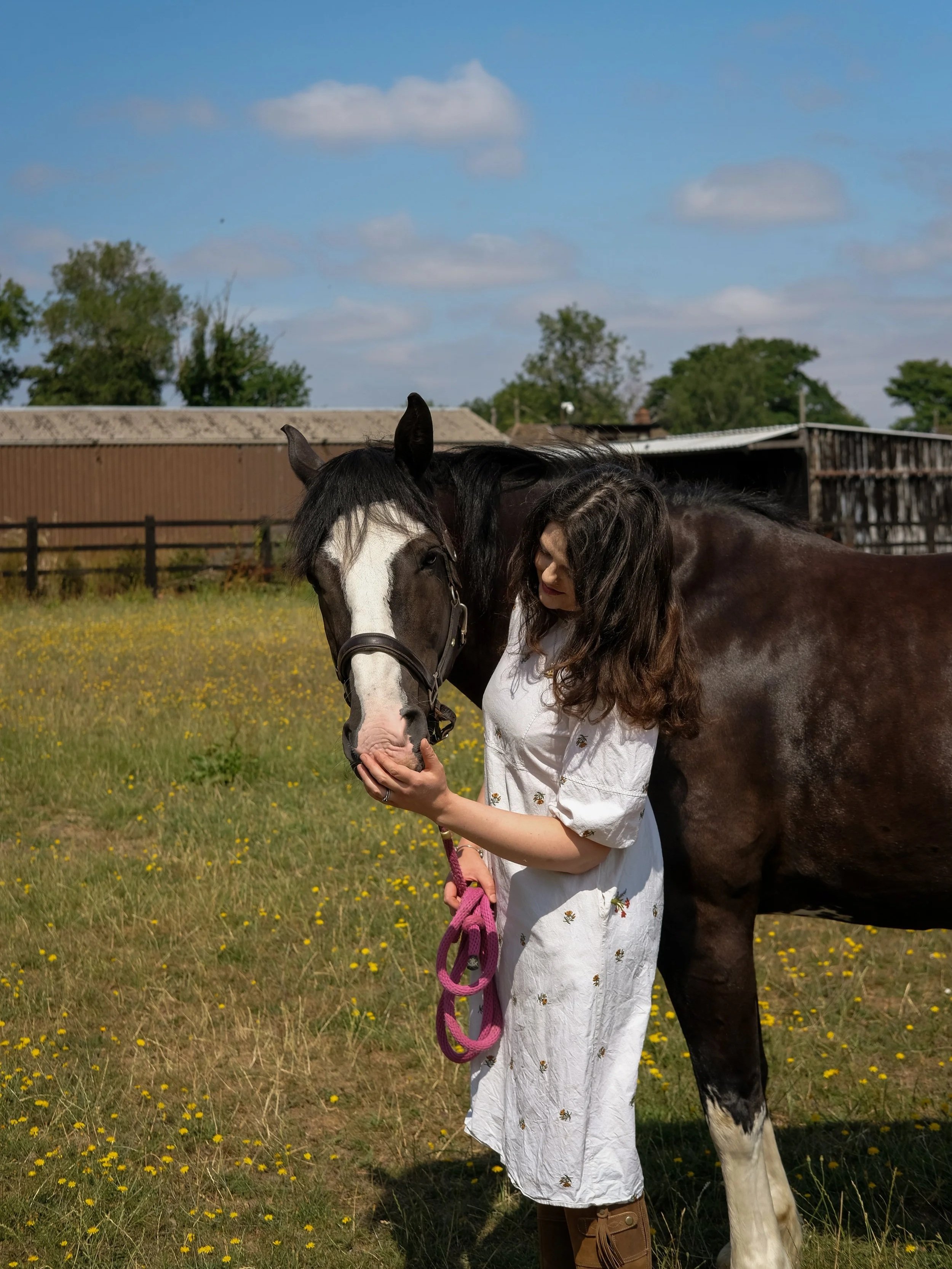
Too handsome to stay in field unphotographed. Photo: Wes Stone
How I improved the bond with my horse
I’m not a professional, qualified horse trainer (but I do offer creative equestrian services) and would always recommend seeking advice from one before making big changes. I speak to professionals all the time, and what I learned from them is what helped me win back Pip’s trust and become his friend.
1. Be there, ask nothing
If you’ve spent more than 90 seconds around horses, you’ll know they are nosy as anything. So strong is their curiosity that they’re often tempted to come to you simply to have a look. If they could speak, their go-to phrase would be: “watcha doin’?”
Every time I poo pick Pip has to check everything is above board. When I first moved him and Layla down south, I occasionally just sat in the field and listened to a podcast. Every time without fail, they would both saunter over on the world’s most leisurely recon mission to see what I was up to. I would usually produce a grass nut or scratch them in their favourite spots to reinforce that choosing to spend time with me was, in fact, a good idea.
2. Get comfortable with ‘paying’
One horse trainer I’ve worked with a lot changed my views on giving food rewards. Growing up, I was taught that treating horses spoiled them, but Emma Massingale asked me": would you go to work if they said ‘well done’ but didn’t pay you? Since then, I’ve always ‘paid’ Pip for behaviour I like.
Lots of successful trainers use food rewards to train horses. Speaking to Connie Colfox taught me to adjust the reward I offered depending on how motivated I want my horse to be. Sometimes, a scratch under the neck is enough. Most of the time, I use something low-value like chaff or a grass nut so Pip doesn’t get too excited. Very occasionally it’s something more tasty, but only if the task we are doing, like loading, is something he finds less fun.
I try not to treat him from my pocket, though. I give treats from a bum bag instead.
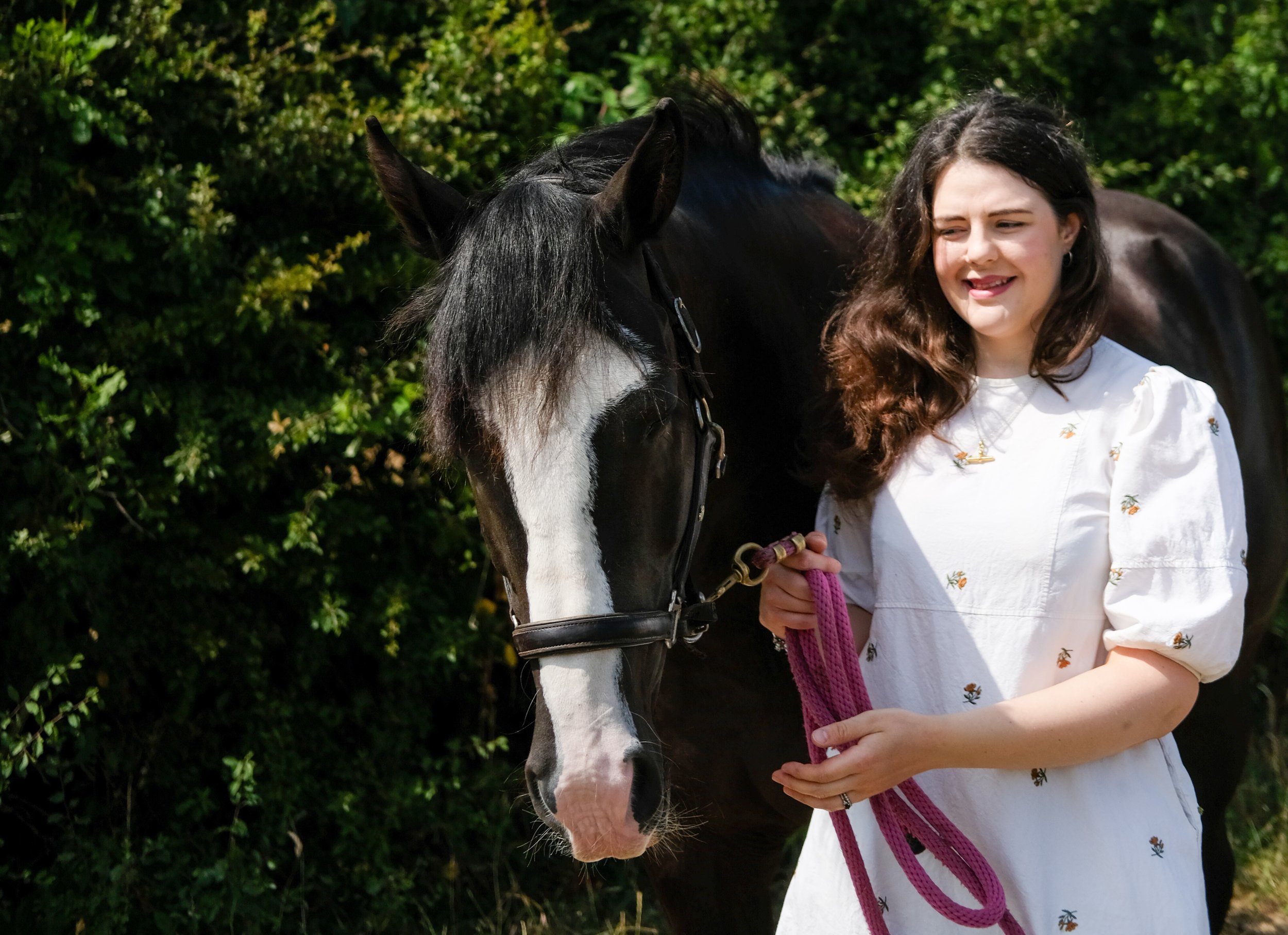
I promise I will keep finding excuses to share pictures of my horse. Photo: Wes Stone
3. Ask easy, clear questions
My horse adores praise, as I’m sure many do. So, when I started doing little bits of groundwork with Pip, I made getting the answer right easy.
The first thing we learned was stopping when I do, and when he succeeded I heaped on the praise. Working with me became a really positive thing to do. He now comes when called, backs up, turns his quarters away and we are working on a ‘park’ command.
It’s not world-beating liberty training, but it is fun and not taxing on Pip’s body.
4. Let him take his time
As a young rider, I was taught to tell horses off and put them in their place. Now I’m older, better informed and have a Pip in my life, I know that they sometimes need a minute to work out what you’re asking them to do.
If Pip is unsure, he says no first and asks questions later. Years ago, I would have jumped to admonish him at the first sign of resistance. Now I stand still, let him have his moment, give him a quiet, swift pat when he settles and try again.
This method is how I cut the time it takes for him to load from 60 to five minutes.
5. Build leisure into training
I only do groundwork with Pip for five minutes at a time. If I want to work for longer, I split the session, letting him hand graze or taking him to pick at his haynet for a few minutes while I have a coffee, reply to messages or groom him.
I really enjoy these comfort breaks because I know that he does, and he’s never reluctant to return to the school or wherever we are working because there is no negative association.
I’m sure some people reading this think I’m a weak-willed owner with a naughty horse. They can think that if they like. He’s my horse and I can do as much or as little as I want with him. All I really want is for us both to enjoy spending time together. We didn’t always, but we do now. And that’s a win in my book.
